ABOUT US
For over 40 years, Lions Assistance Dogs have been providing Hearing Assistance Dogs to Australians who are deaf or hard of hearing free-of-charge.
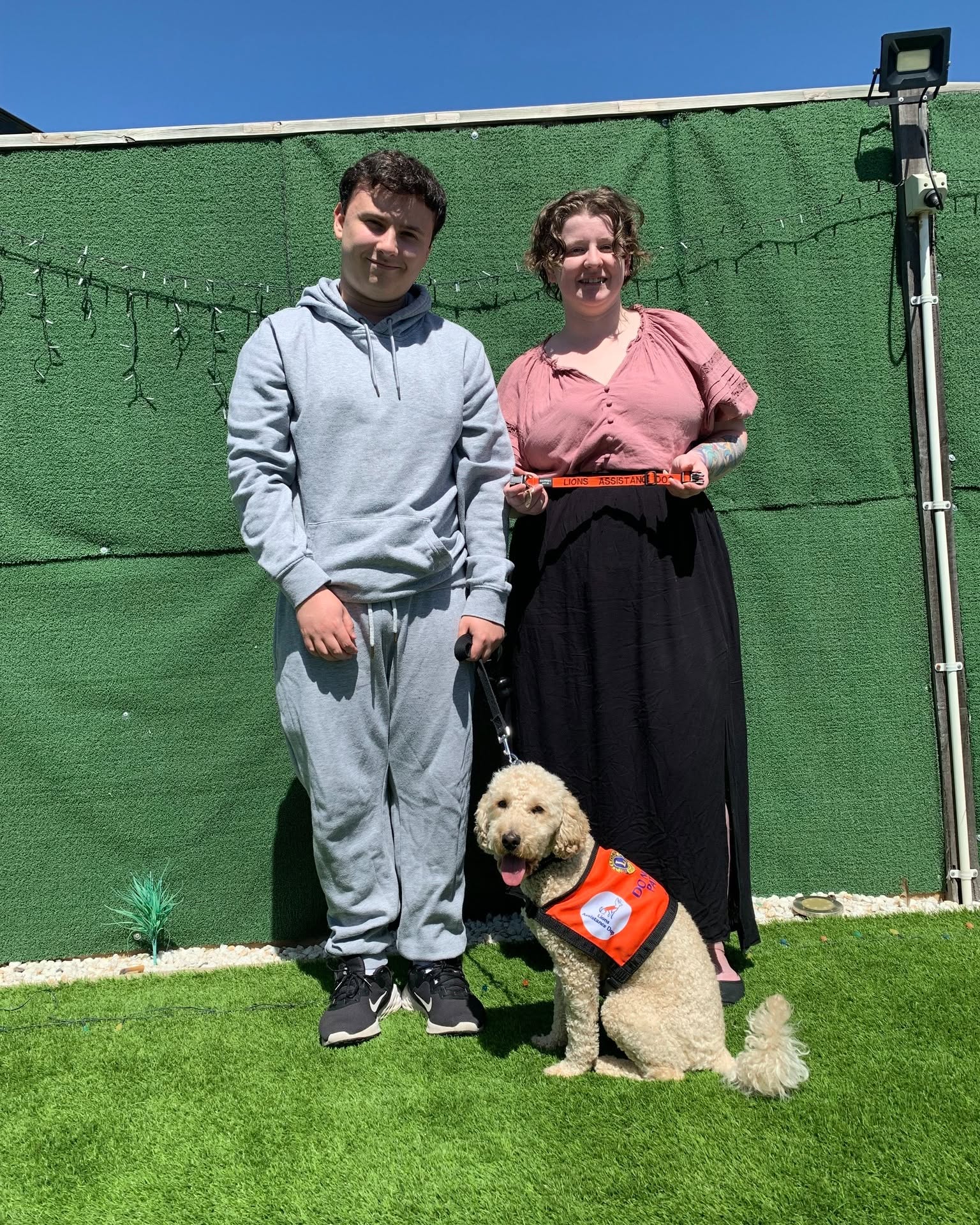
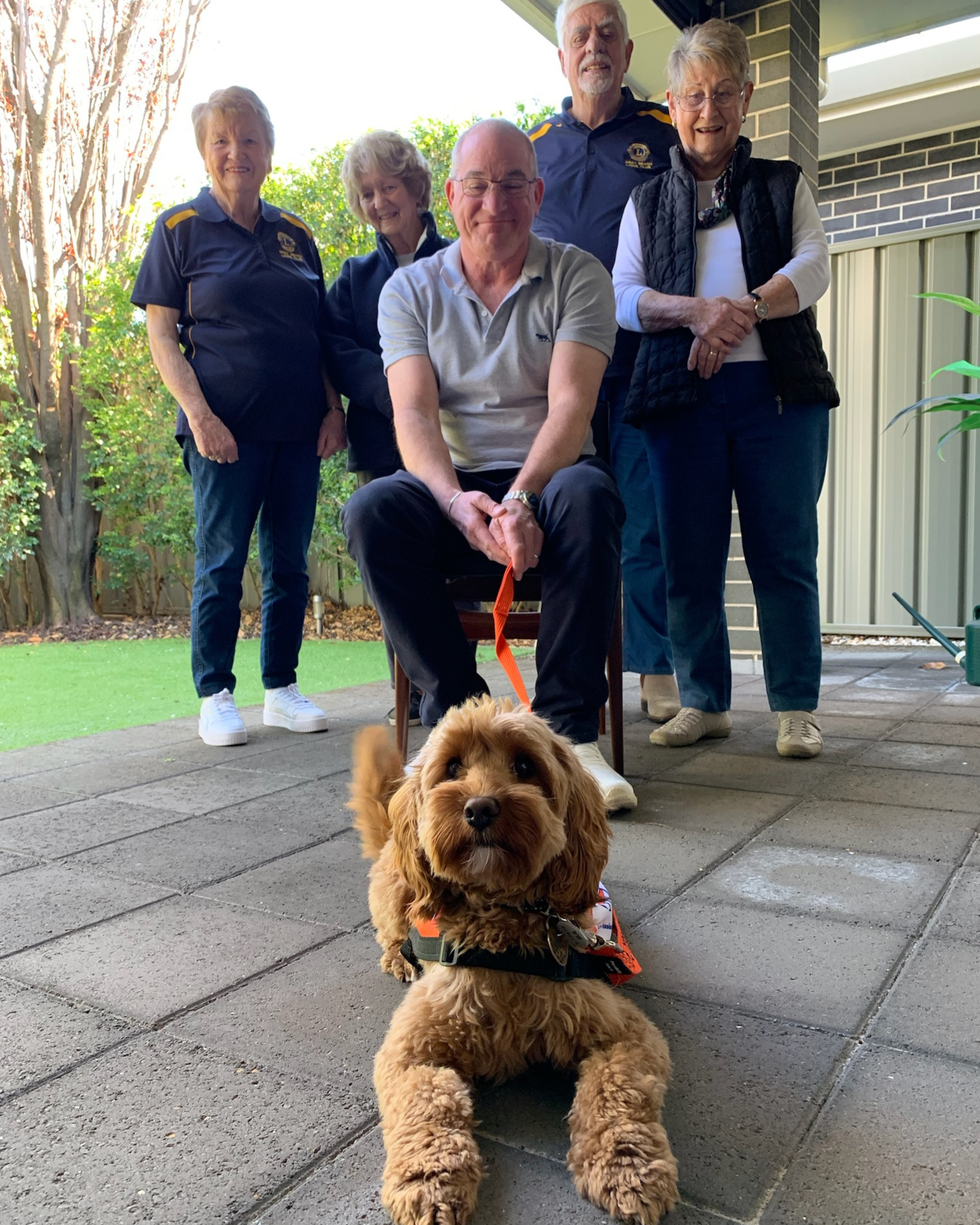
In 2020, the Lions Medical Assistance Dog Program was developed, and since then, 11 Diabetic Alert Dogs have been delivered to Australians with diabetes, free of charge.
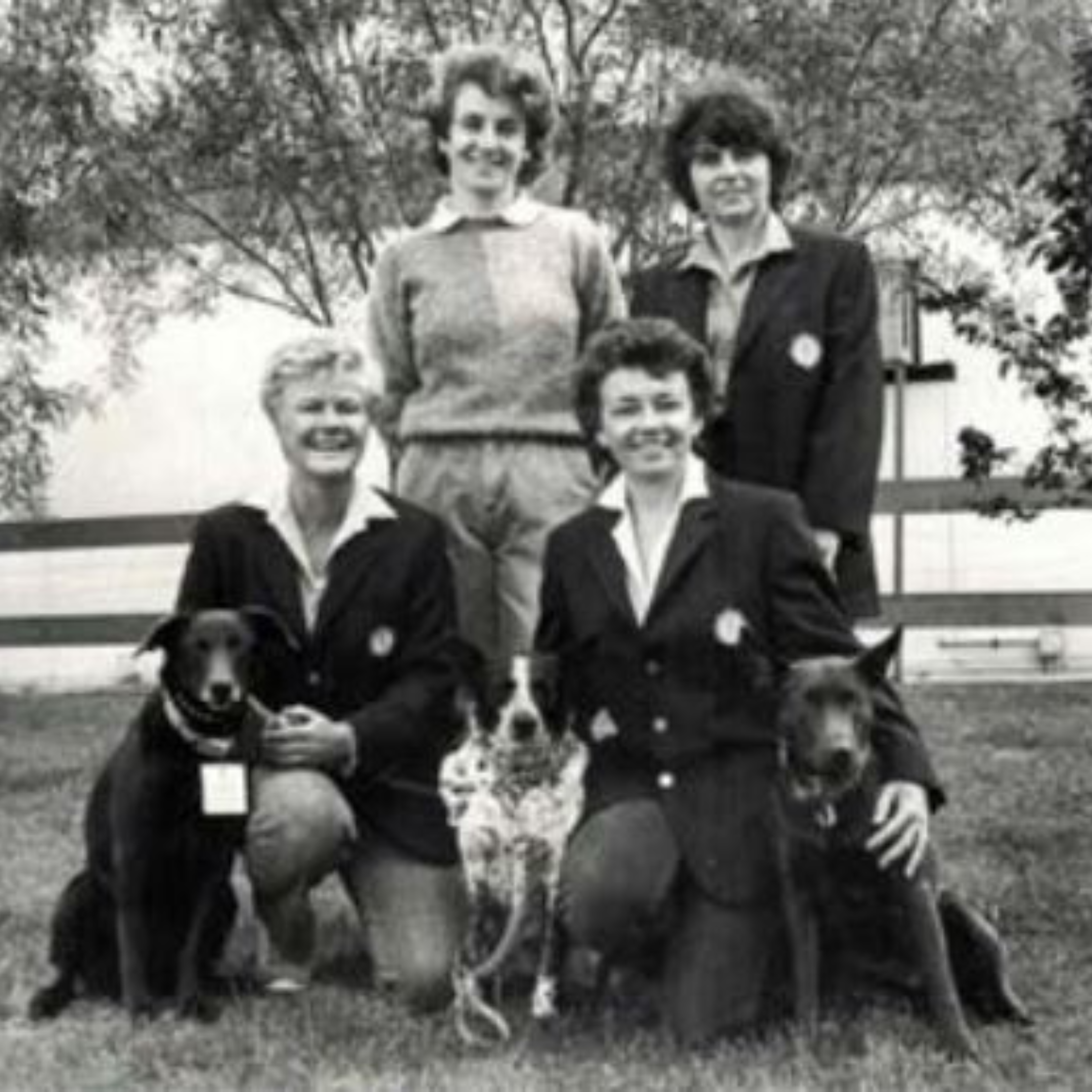
The original team back in 1982
Lions Assistance Dogs was initially founded in 1980. The concept of starting the program in Australia originally began with PDGs Brian Carter and Bob Allen, who had attended an Lions Clubs International Convention in the United States and came upon a demonstration from the very first Hearing Dog Program in Denver, Colorado.
The proposal for the program was later approved at the Canberra Multiple District Convention in 1980, and the first Lions Assistance Dog, Amber, a Hearing Assistance Dog, was delivered to a local recipient in South Australia in 1982.
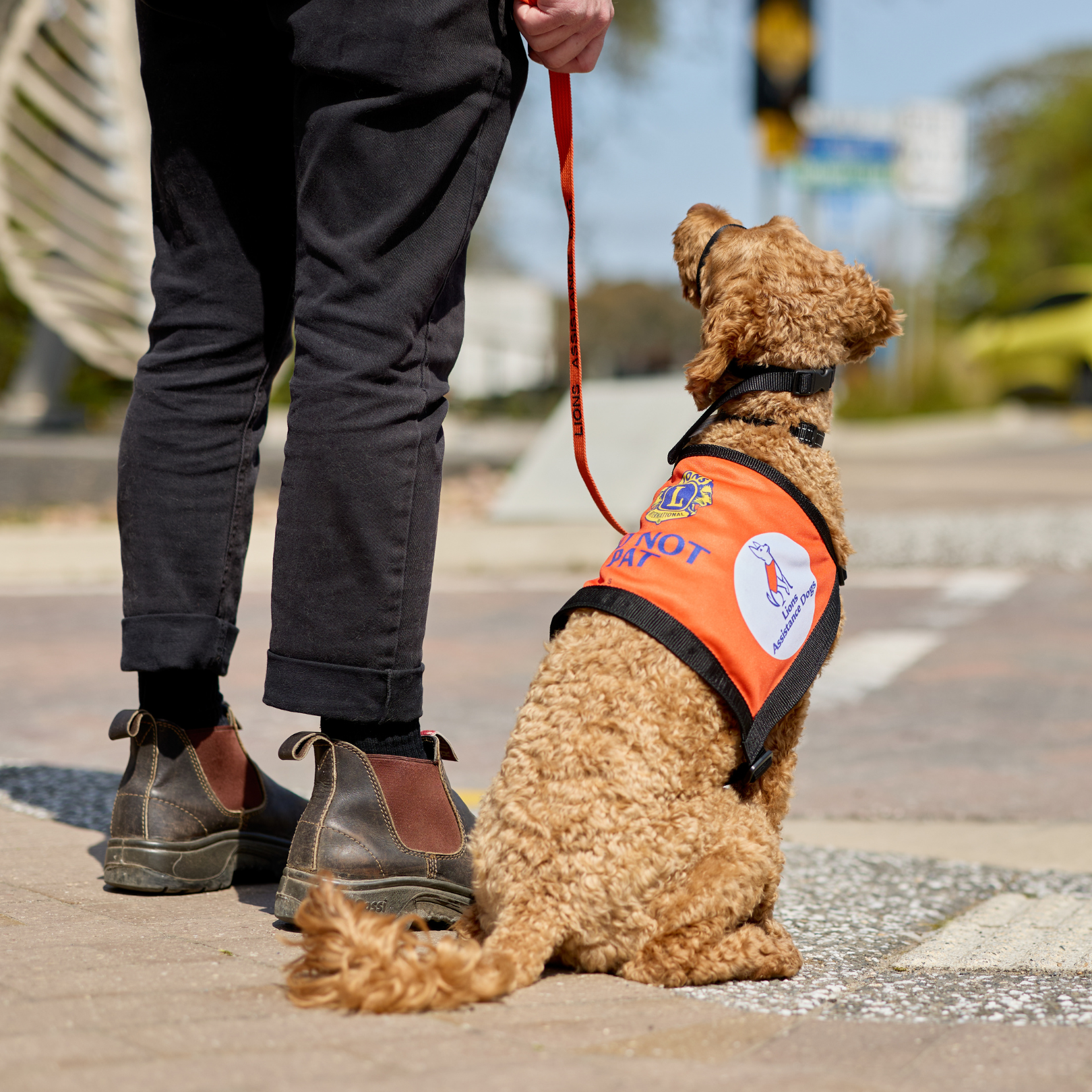
Diabetic Alert Dogs
While the concept of training dogs for medical conditions is not exclusive to Lions Assistance Dogs, we are proud to offer these dogs free of charge to Australians in need.
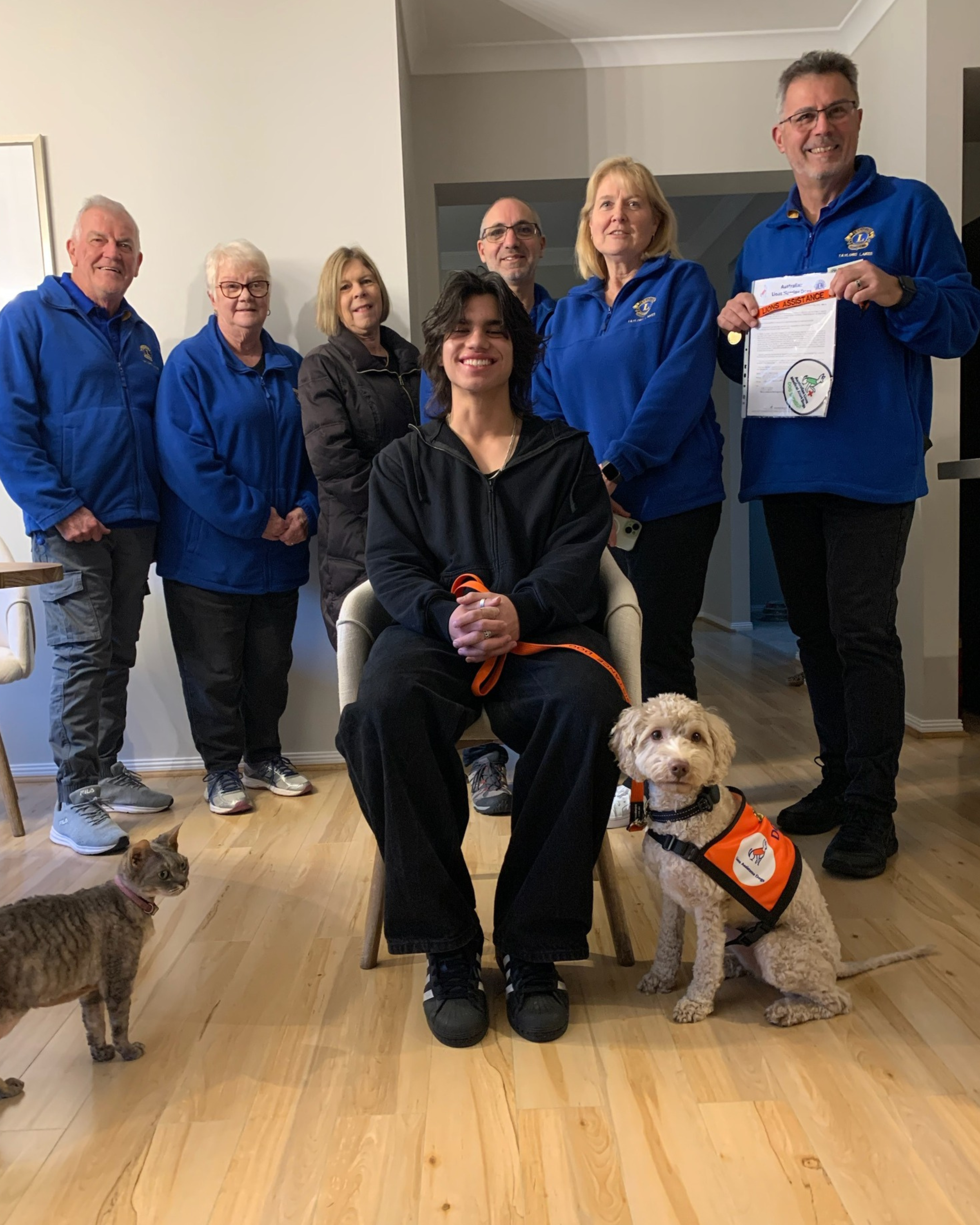
The first Lions Diabetic Alert Dog, Sal, was placed with her recipient, Eliza, in 2022. Since Sal's delivery, we have delivered another 14 Diabetic Alert Dogs.
Scent Work
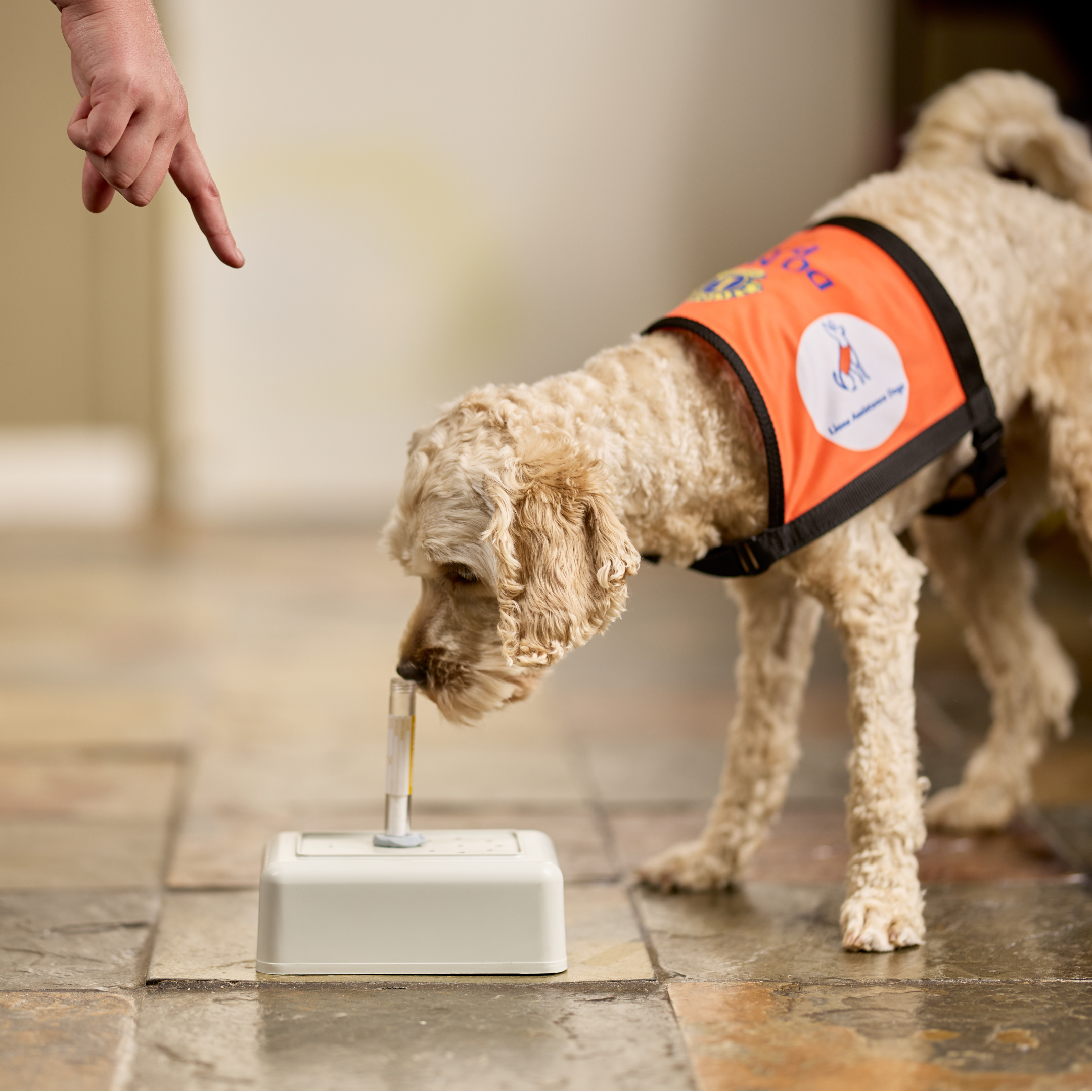
A dog’s nose is highly sensitive compared to that of a human, so when someone’s Blood Glucose Levels increase or decrease, a scent is produced by chemicals emitted through saliva and sweat.
Task Work
A Diabetic Alert Dog is also trained for the following:
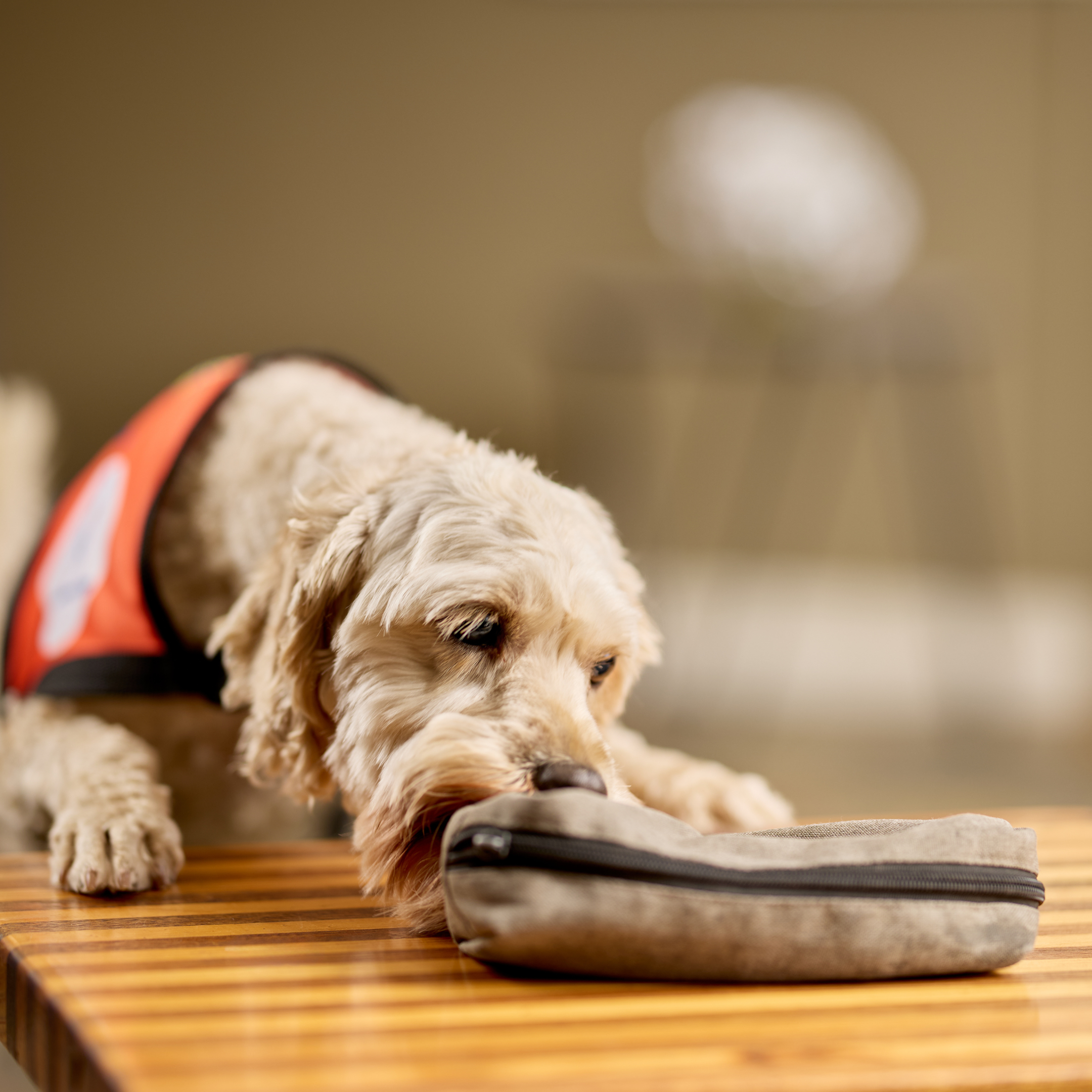
- Retrieve a Hypo-Kit (a small pouch containing sugar sources, medicine, or testing kit) and place it gently in their recipient’s lap. This assists the recipient if their BGL is impacting their energy levels.
- Retrieve help from another member of the household with a ‘Get Help’ command.
- If the recipient should fall unresponsive, press an emergency button fixed to the wall that will send an alert to a series of pre-determined emergency contacts.
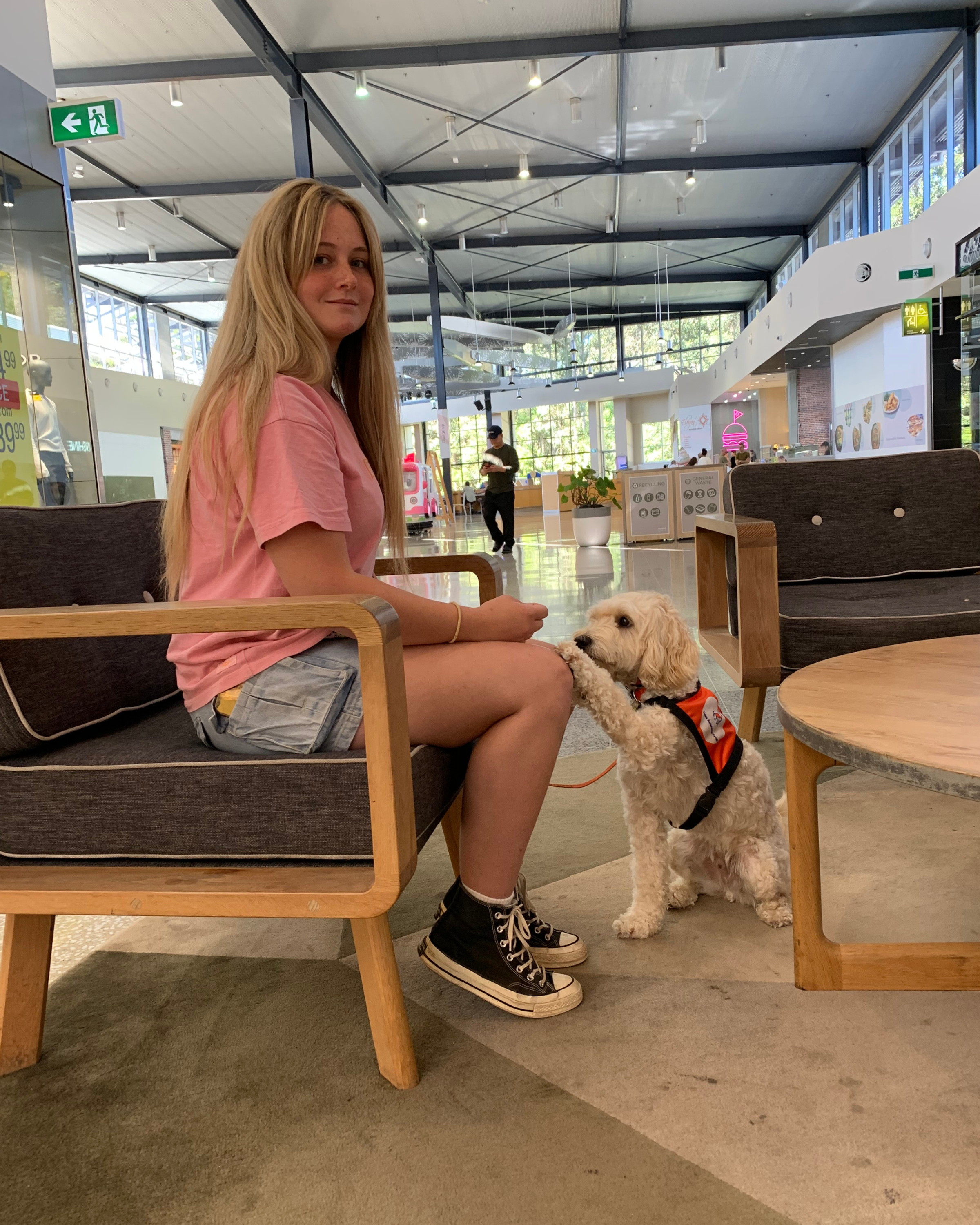
Public Access Work
More Questions?
Follow us on our socials for the latest news!